
Abundant, and Surprisingly Delicious

Excursions
That Reel in Alaska Pollock
COOK YOUR CATCH IN THE WILDERNESS
Halibut Fishing
Alaska Fishing Combo
PRIVATE CHARTERS
FISHING FOR
Alaska Pollock
in Ketchikan, Alaska
Alaska Pollock may not get the glory of salmon or halibut, but they’re one of the most abundant fish in Alaskan waters, and a great bonus catch on multi-species charters. These schooling fish offer fast-paced action when you find them and are a surprisingly tasty addition to your haul. Closely related to cod, Alaska Pollock are typically 2–4 pounds and travel in large schools near the ocean floor. Their mild, flaky white meat is widely used in commercial seafood products (like fish sandwiches and imitation crab), but when caught fresh, they’re excellent for frying, baking, or fish tacos.
PEAK FISHING SEASON
May – October
(Best caught in deeper water during summer and early fall months.)
PEAK FISHING SEASON
May – October
HOW WE FISH FOR
Alaska Pollock
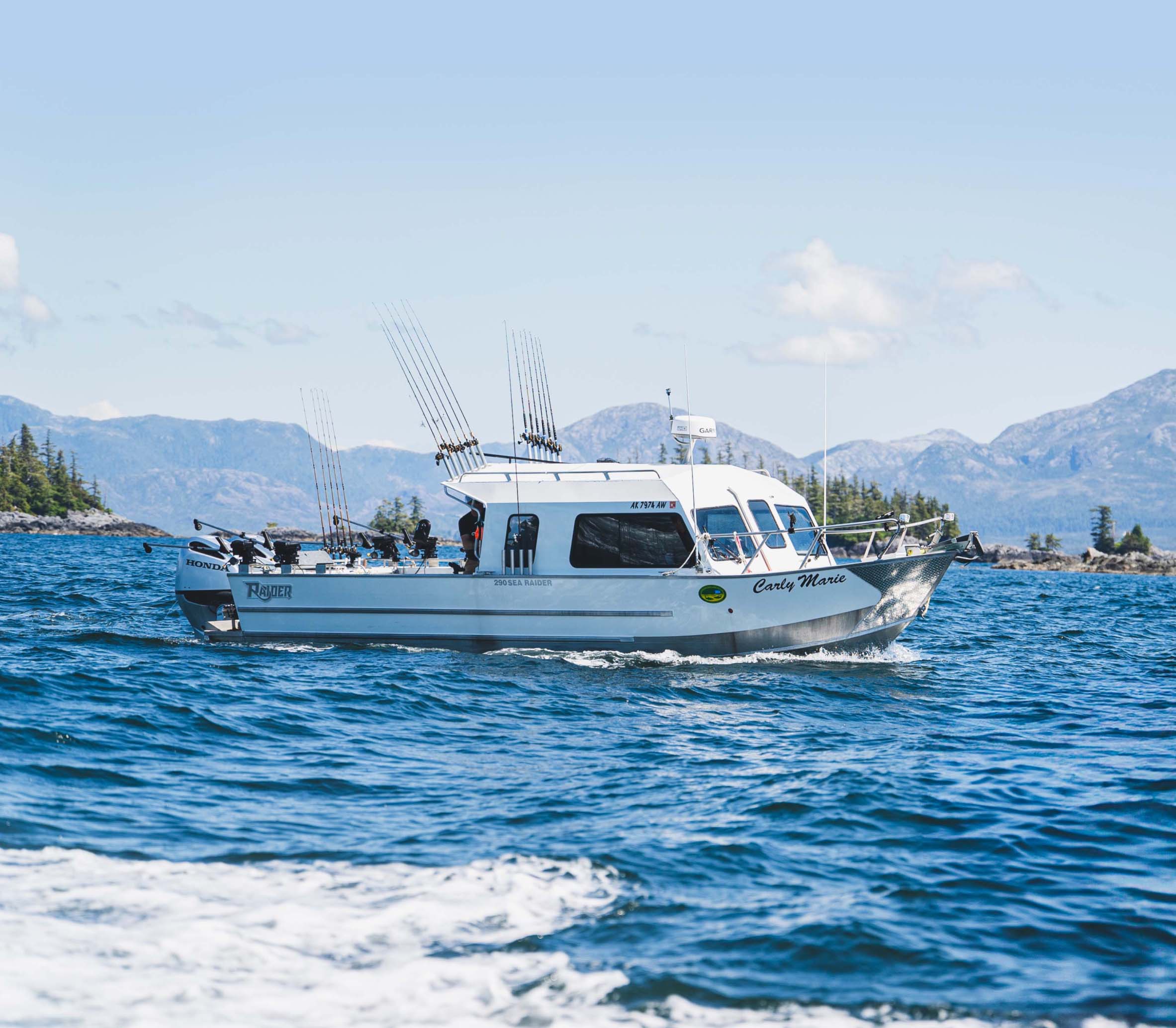
While not a primary target species, Pollock are commonly caught as a bonus when jigging or bottom fishing for cod, rockfish, or lingcod.
- Jigging: We use weighted jigs or baited hooks near the ocean floor, often over rocky structures where Pollock schools gather.
- Depth Fishing: Pollock are found in deeper waters, usually 100–300 feet down.
Mixed Catch Days: These fish often show up alongside cod and rockfish, especially on trips designed to explore a variety of species.
FAQ
Can I keep the Pollock I catch?
Yes! You can opt to have your Pollock cooked fresh for you at our remote island camp, or prepared back at The Alaska Fish House. If you’d like to ship your catch back home, you have many processing and shipping options!
Are Pollock good to eat?
Absolutely. The flavor is mild and slightly sweet, and the fillets cook up beautifully in tacos, chowders, or breaded and fried.
Are Alaska Pollock and Walleye Pollock the same?
Technically yes – “Walleye Pollock” is another name for Alaska Pollock. They’re different from Atlantic Pollock, which are larger and darker.
Is Pollock a common catch in Ketchikan?
They’re not always the primary target, but we often catch them while fishing deeper waters for other species. They’re plentiful and fun to reel in.
See Ketchikan’s Other Species